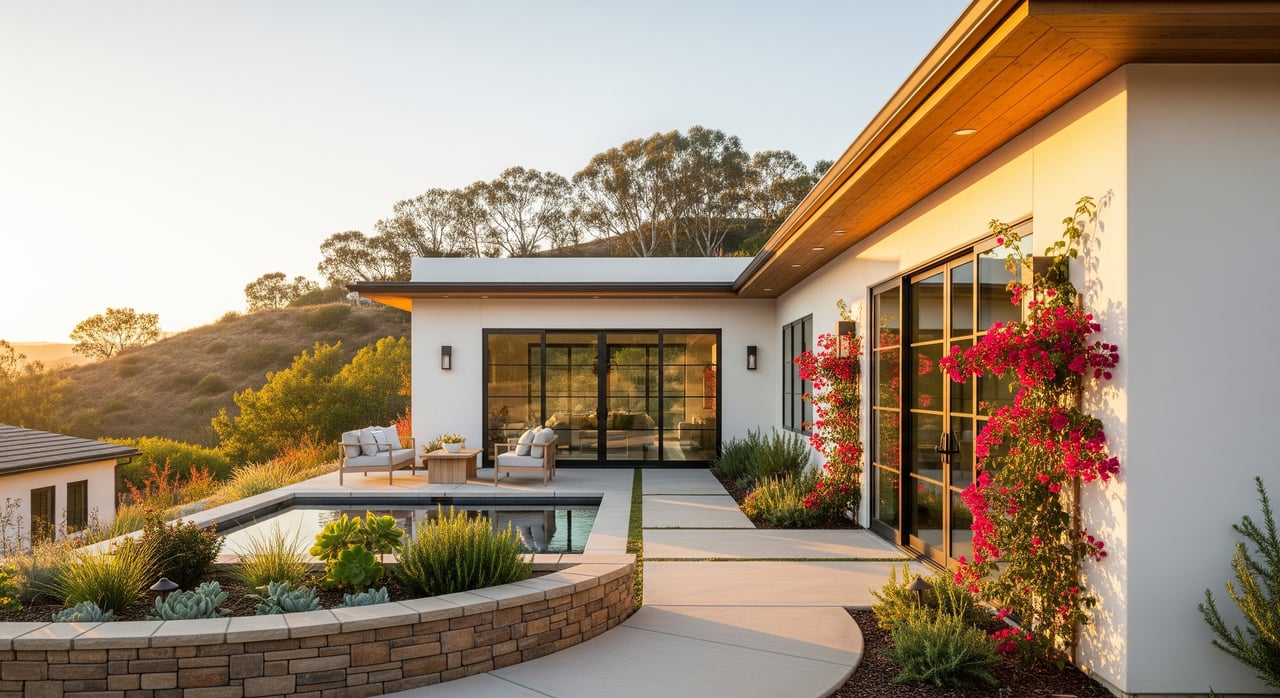
Thinking about adding an ADU to your Scripps Ranch property? You are not alone. Many homeowners want a flexible space for family or a reliable stream of rental income, but the rules and steps can feel overwhelming. This guide breaks down what matters most in Scripps Ranch so you can plan with confidence and avoid costly missteps. Let’s dive in.
ADU basics in Scripps Ranch
California’s ADU laws set a strong baseline that makes it easier to build ADUs and Junior ADUs with ministerial approvals. The City of San Diego follows these state rules and adds local standards, checklists, and inspections. That means your project can move forward if you meet the rules, but you still need permits and a compliant design.
In Scripps Ranch, site conditions and HOA rules can shape your plan. Steep slopes, canyon setbacks, and CC&Rs often affect design and placement. It helps to engage the City of San Diego Development Services early and confirm any HOA approvals you may need.
What you can build
You typically have three main pathways:
- Detached ADU in the rear or side yard, subject to height and setback rules.
- Attached ADU that shares a wall with the main home.
- Conversion ADU that repurposes an existing garage, basement, or permitted accessory structure.
A Junior ADU (JADU) is a smaller unit within the existing home footprint with limited kitchen facilities. State law limits how strict local rules can be, but San Diego still applies local standards for setbacks, height, lot coverage, and safety. On many lots, rear-yard detached ADUs are feasible, while conversions can be faster and less costly.
Permit pathway in San Diego
Ministerial approvals
Most ADUs and JADUs are reviewed ministerially if you meet the code. You still submit full plans, follow building codes, and complete inspections. In some cases, site-specific conditions or overlays can trigger additional reviews.
Step-by-step process
- Pre-check zoning and overlays. Confirm zoning, lot size, and whether any hillside, canyon, biological, historic, or planned development overlays apply.
- Create a complete plan set. Prepare a site plan, floor plans, elevations, structural notes, and any geotechnical or energy documents required.
- Submit to Development Services. File your building permit and planning checklists with the City of San Diego Development Services.
- Coordinate utilities. Secure water, sewer, electric, and gas approvals or permits. Plan for capacity or panel upgrades if needed.
- Complete inspections. Schedule inspections during construction and obtain a certificate of occupancy at the end.
Timelines and fees
Ministerial review is typically faster than discretionary permits, but timing depends on plan quality and site complexity. Simple conversion projects can move in a few months. Complex hillside sites often take longer, and detached builds can run 6 months to a year once all reports and reviews are done. Expect building and plan check fees, possible school fees, and utility connection or capacity charges. Some fees may be reduced for ADUs, so verify current City policy.
Scripps Ranch site factors that matter
Slopes and soils
Much of Scripps Ranch sits on hilly terrain. Steep slopes and retaining walls can require geotechnical and soils reports, engineered foundations, and grading permits. These items add time and cost, so build them into your budget from the start.
Setbacks and placement
Local setbacks and height limits apply to ADUs. Rear-yard placement is common, but small or irregular lots can limit options. A garage conversion or an attached ADU may be the best fit if your lot constraints are tight.
Parking and access
State law reduces when parking can be required, especially for conversions or if the property qualifies under proximity-to-transit criteria. In Scripps Ranch, many areas are more car-oriented, so plan how vehicles will park and how residents will access the unit. Check driveway width, turning radii, and street parking rules.
Utilities and meters
ADUs often connect to existing water and sewer lines, but capacity or lateral work may be needed. Electric service upgrades or separate metering can be required depending on your plan. Gas service can be shared or separated. Stormwater and drainage rules may also apply when you add roof area or paving.
Environmental and overlays
Proximity to canyons or biological resources can trigger surveys or mitigation. Historic properties face added restrictions. Early site vetting helps you avoid surprises as you move into design.
HOAs and CC&Rs
Many Scripps Ranch neighborhoods have CC&Rs that regulate exterior changes, rentals, and additional dwellings. HOA approval may be required before you submit to the City. Confirm these rules before design work to keep your timeline on track.
Design choices that work in Scripps Ranch
- Prioritize conversions for speed. Converting existing space, like a permitted garage, often saves on time and cost and may qualify for parking exemptions.
- Plan for privacy. Orient entries and windows to limit sightlines into the main home. Use landscaping and fencing for screening.
- Consider single-level living. If you are housing aging family members, plan no-step entries, wider doors, and bathrooms that are easy to navigate.
- Right-size kitchens and baths. These are major cost drivers and key for rental appeal. Choose durable finishes that photograph well and stand up to tenants.
- Address noise and comfort. Insulate party walls, add air conditioning where needed, and consider sound-rated windows near busy streets.
- Manage drainage. On slopes, design for safe runoff and protect downhill neighbors with proper grading and stormwater measures.
Rental, STR, and ROI essentials
Common use cases
- Long-term rental for steady income.
- Multigenerational living with privacy and flexibility.
- Short-term rental where allowed by City rules and any HOA restrictions.
- Home office or guest suite if you prefer flexibility over renting.
Estimating rent and ROI
- Gather comps. Check current listings for 1-bedroom units and studios in Scripps Ranch and nearby areas using sources like local property managers, MLS data, and major rental platforms.
- Estimate income. Project gross annual rent by multiplying monthly rent by 12.
- Subtract expenses. Include vacancy allowance, property management, maintenance, insurance, and any utilities you pay.
- Factor financing. Add mortgage or construction loan interest and any cost of capital.
- Run simple metrics. Look at net annual income and a simple payback period. For deeper analysis, calculate a cap rate or cash-on-cash return with your actual costs.
Cost drivers to budget
- Site work. Grading, retaining walls, utility runs, and driveway changes can be significant on hillside lots.
- Structure type. Conversions usually cost less than ground-up detached builds.
- Permits and fees. Include building, plan check, and utility connection or capacity charges.
- Finishes. Kitchens and baths affect both cost and rent potential.
Short-term rentals and rules
Short-term rentals are regulated by the City of San Diego and may require registration, business tax, and tax collection. Some HOAs prohibit short-term rentals. Confirm current City rules and your HOA’s position before you plan on STR income.
Taxes and assessment
Adding an ADU typically increases assessed value. Property tax and income tax treatment can vary. Consult the County Assessor and a tax professional for specifics on your situation.
How an ADU can impact resale
A well-permitted ADU can broaden your buyer pool by appealing to multigenerational households and investors. Buyers tend to value legal, documented units with clear plans and final inspections. Quality finishes, smart privacy design, and a separate entrance can also help. Separate utility metering is a choice, not a requirement, but some buyers see it as a plus.
If you plan to sell, keep a complete record of permits, inspections, contracts, and warranties. Clear documentation helps appraisers and buyers verify the value of the unit. A local team can help you position the property, highlight rental potential, and market the home to the right audience.
Getting started: a simple checklist
- Confirm zoning and any overlays with the City of San Diego Development Services.
- Review your CC&Rs and secure HOA guidance early.
- Walk the site for slope, drainage, and utility locations.
- Decide on detached, attached, or conversion based on budget and timeline.
- Get a professional site assessment if slopes or retaining walls are likely.
- Request estimates from 2–3 local designers and contractors experienced with ADUs.
- Plan for parking and access that meets code and works day to day.
- Check water, sewer, electric, and gas capacity and metering options.
- Build a realistic timeline that includes plan prep, review, and construction.
- Choose your use case and run a conservative rent and ROI analysis.
- Keep thorough records of plans, permits, and all inspections.
Ready to explore how an ADU could work on your Scripps Ranch property, or how to price and present a home with an ADU? Reach out to Team Azizi for local guidance on strategy, value, and next steps.
FAQs
Will my Scripps Ranch HOA allow an ADU?
- Check your community’s CC&Rs and approval process early, since HOA rules can add conditions or limit design even when City zoning allows an ADU.
How much space do I need to build an ADU?
- Many single-family lots can support a rear-yard ADU, but small, irregular, or sloped lots may be better suited to a garage or interior conversion.
Is parking required for an ADU in Scripps Ranch?
- Parking requirements depend on state and local rules; conversions and certain transit-proximate sites may be exempt, but plan for practical day-to-day parking needs.
How long does ADU permitting and construction take?
- Simple conversions can move in a few months, while detached ADUs on hillside lots often take 6 months to a year once reports, reviews, and inspections are complete.
Do I need separate utility meters for an ADU?
- Separate metering is optional; many owners share utilities, but capacity upgrades or panel changes may be needed depending on your design and usage.
Can I use my ADU for short-term rentals?
- Short-term rentals are regulated by the City of San Diego and may require registration and tax compliance, and some HOAs prohibit them entirely.
What if my lot is steep or near a canyon?
- Expect possible geotechnical reports, engineered foundations, grading permits, and added costs; early site assessment will clarify feasibility.
How does an ADU affect my home’s resale?
- A permitted, well-designed ADU can widen buyer appeal and support value, especially when you document permits, inspections, and quality finishes.