Picture school drop-offs that flow into a quick drive to work, after-school play at a neighborhood park, and weekend beach mornings at Torrey Pines. If you’re weighing where to plant roots in North County, it’s normal to compare school options, commute patterns, home types, and costs. This guide walks you through what daily life looks like in Carmel Valley, including tradeoffs families often consider and practical steps to verify the details that matter. Let’s dive in.
Carmel Valley at a glance
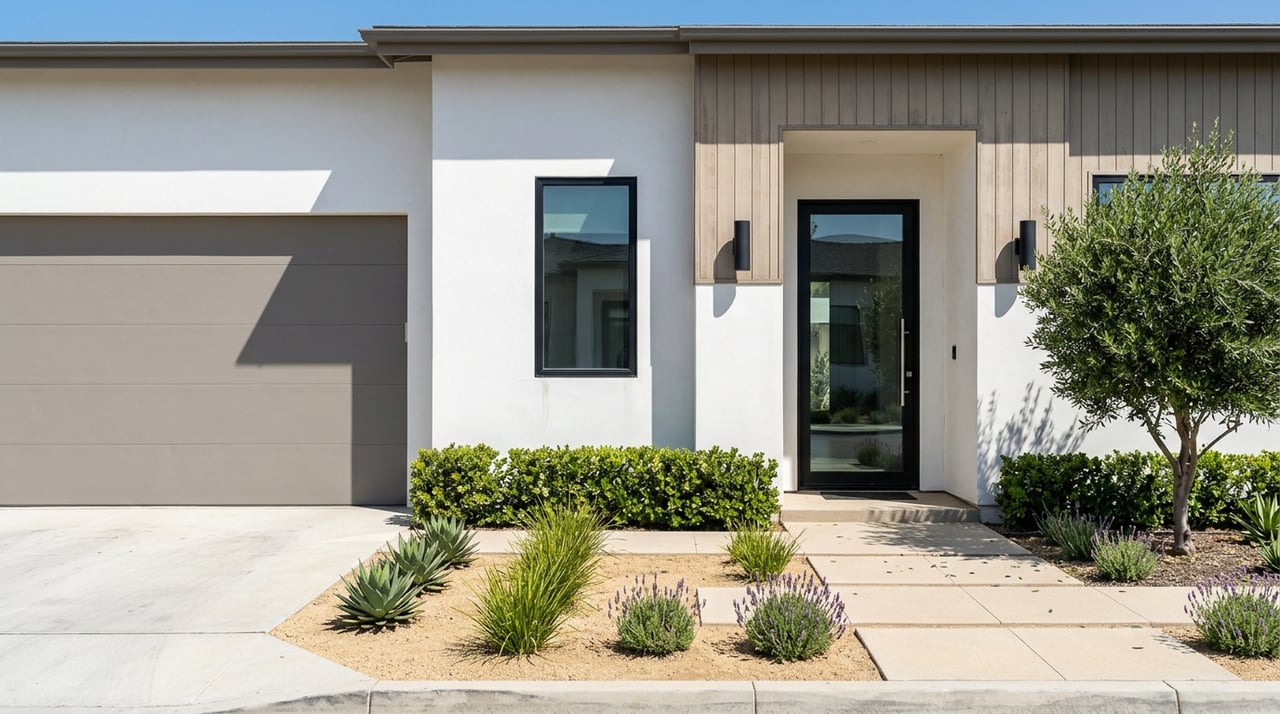
Carmel Valley sits in northern San Diego with a modern, master-planned feel and a suburban layout. Many neighborhoods were built from the 1980s to the 2000s, with cul-de-sacs, neighborhood parks, and clusters of shops and services. Families often choose the area for schools, proximity to jobs in Sorrento Valley and UTC, and easy access to coastal recreation.
If you want to dig into demographics like household makeup or education levels, consult the U.S. Census Bureau’s American Community Survey for current data. Expect higher housing costs than the San Diego average and a suburban lifestyle where most errands are done by car.
Housing styles and tradeoffs
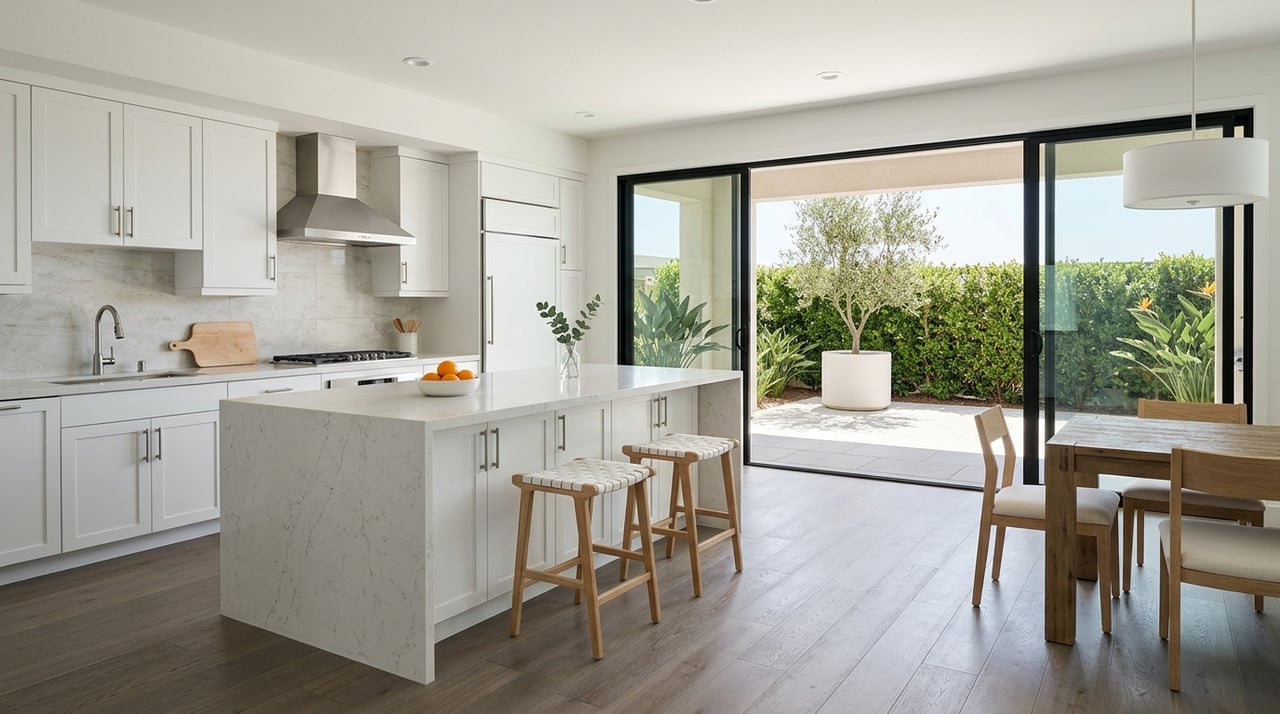
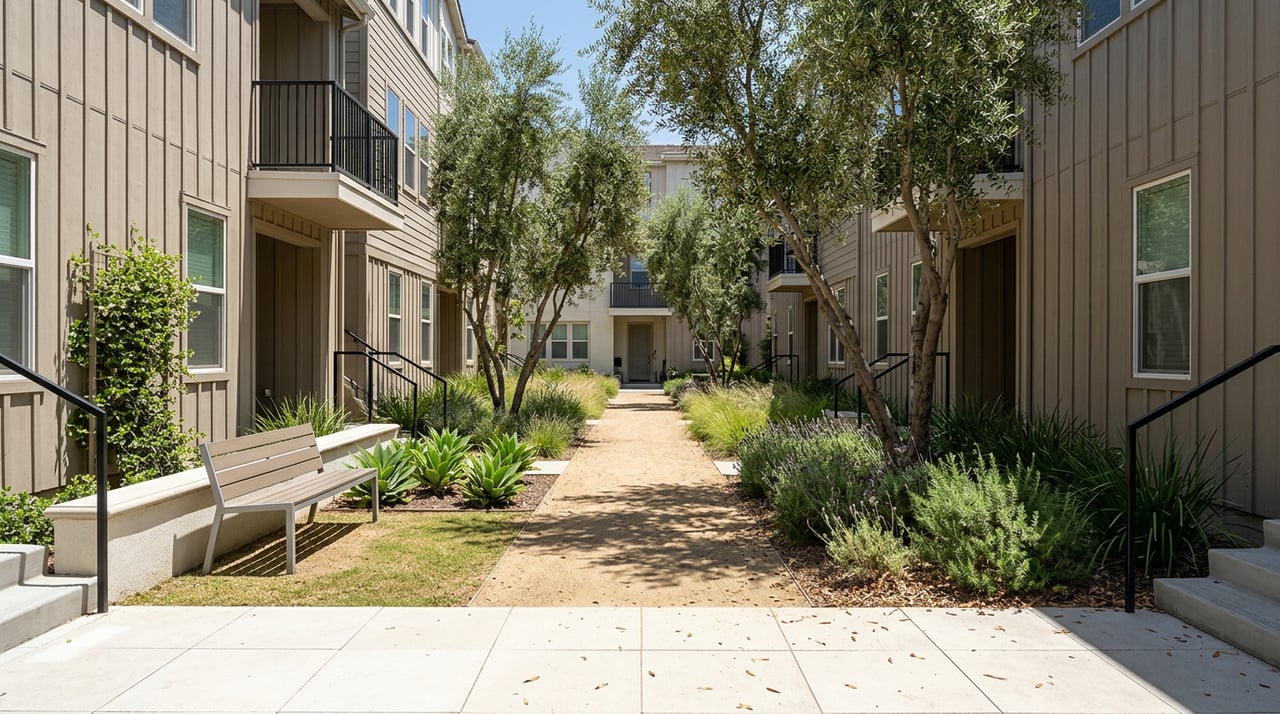
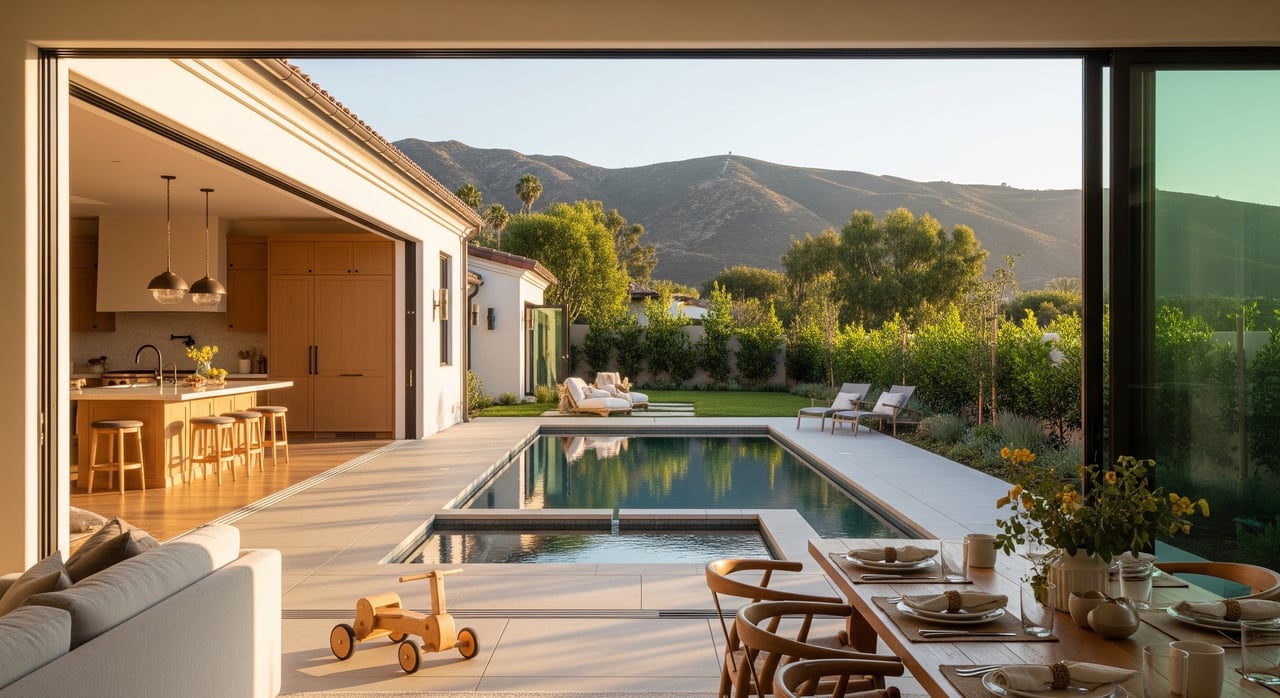
You’ll find mostly single-family homes with yards, along with pockets of townhomes and condos. Many developments include homeowner associations that may cover landscaping, pools, playgrounds, and common-area care. Families often weigh HOA fees against the value of those amenities, especially if you want a community pool or on-site playgrounds.
Carmel Valley prices often sit above the county median due to demand for nearby jobs and school access. Inventory can feel tight, so plan for a competitive search and be clear on your budget, commute needs, and preferred micro-neighborhoods. If you’re relocating or upsizing, it can help to compare townhome or condo options for lower maintenance.
A day in family life
A typical weekday might start with a short school drop-off, then a drive to UTC, Sorrento Valley, or UC San Diego. After school, many kids head to local parks, sports fields, or enrichment programs. Evenings often include a quick grocery run and dinner at a casual, family-friendly spot.
Weekends tend to revolve around the outdoors. Families head to Torrey Pines for a morning trail walk, then continue to nearby beaches for a few hours. Local shopping centers host seasonal events and kid activities, so it’s easy to fill the calendar without driving far.
Schools and childcare
Public schools in and around Carmel Valley have strong reputations, and many families cite them as a key reason for moving here. Attendance boundaries can change and may split neighborhoods, so always verify your exact address for school assignment and open enrollment policies. For performance data and reports, use the California Department of Education’s DataQuest.
Preschools, private schools, and childcare centers are available across the area, but capacity and waitlists can vary. If childcare is a must-have, start inquiries early and plan a few backup options. Enrichment programs, from youth sports to music and STEM classes, are common and fill quickly in peak seasons.
Parks, trails, and beaches
Carmel Valley includes neighborhood parks, greenbelts, and sports fields for soccer and baseball. For a wider view of facilities and programming, check the City of San Diego Parks & Recreation resources. You’re also a short drive from the coastal bluffs and trails at Torrey Pines State Natural Reserve, where family-friendly hikes and scenic overlooks make for easy weekend outings.
Many communities have HOA pools or access to city pools and rec centers. Youth leagues are active year-round, and summer camps are popular. If camps are part of your childcare plan, register as soon as sign-ups open.
Everyday errands and healthcare
You’ll find major grocery chains, specialty markets, coffee shops, and family dining across Carmel Valley’s shopping centers. For larger retail trips, UTC and other regional malls are a short drive away. Pharmacies, dry cleaners, and service providers are widely available for weekly errands.
Healthcare is close by, including clinics and urgent care. For broader services, explore nearby systems such as Scripps Health locations. Families often use specialists in La Jolla or other regional hubs depending on needs.
Getting around and commutes
Most residents drive for daily errands and work. Carmel Valley connects to I-5 and east–west arterials that serve employment centers like UTC, Sorrento Valley, and Torrey Pines. Expect peak-hour congestion when accessing I-5 and traveling to and from the coast.
Public transit is available but varies by route and schedule, and many families rely on cars for time-sensitive school and activity logistics. To estimate real-world travel times, check representative peak-hour routes and consult SANDAG for regional commute resources.
Safety and risk checks
Carmel Valley is often perceived as a low-crime area within the city context. For accurate, current crime data by address, use the San Diego Police Department’s crime maps and statistics. If you are considering homes near open space or creeks, review wildfire and flood risks using CAL FIRE and the FEMA Flood Map Service Center.
Family buyer checklist
Use this quick list to compare homes and neighborhoods:
- Verify school assignment and boundaries for your exact address using district resources and DataQuest.
- Test-drive your commute at peak hours and review SANDAG resources for broader trends.
- Confirm HOA details, including monthly fees, amenities, rules, and what maintenance is covered.
- Call preschools and childcare centers early to check capacity and waitlists.
- Run risk checks for wildfire and flood exposure via CAL FIRE and FEMA.
- Budget for total monthly costs, including mortgage or rent, property taxes, HOA fees, childcare, and extracurriculars.
- Walk the area around your target home to gauge practical walkability to parks and shops.
Is Carmel Valley a fit for you?
If you want a suburban, family-focused setting with neighborhood parks, strong school reputations, and quick access to beaches and trails, Carmel Valley is worth a close look. The tradeoffs are higher housing costs and car-forward living, plus peak traffic when heading to I-5 or the coast. With clear priorities, you can find a home that balances space, convenience, and budget.
Ready to explore specific micro-neighborhoods, HOA options, or off-market opportunities? Connect with Team Azizi for a neighborhood tour, boundary and commute checks, and a tailored plan for your family’s next move.
FAQs
Are Carmel Valley public schools strong, and how do I verify?
- Many families move for school reputation. Verify performance and boundaries through the California Department of Education’s DataQuest and the relevant district’s current maps.
What are typical commute times from Carmel Valley to UTC or downtown?
- Travel varies by route and time of day. Test your exact trip during peak hours and review regional patterns with SANDAG.
How do housing costs in Carmel Valley compare to the rest of San Diego?
- Prices are generally above the county median due to demand and location. Ask your agent for current MLS data to compare size, lot, and amenities within your budget.
How walkable is Carmel Valley for daily errands with kids?
- Walkability varies by block. Many areas are car-oriented, though pockets near parks and shopping centers offer easier on-foot access.
Where can I check crime, wildfire, and flood risk before buying?
- Review the San Diego Police Department’s crime maps, wildfire information from CAL FIRE, and flood zones via FEMA.