Choosing between a townhome and a single-family home in 4S Ranch is a big decision that touches your budget, daily routine, and long-term plans. You might want a private yard and storage, but also crave low maintenance and easy access to parks and shops. In this guide, you’ll learn how each option stacks up on total cost of ownership, HOA rules, outdoor space, maintenance, financing, and resale in 4S Ranch. Let’s dive in.
What makes 4S Ranch unique
4S Ranch is a master-planned community in north San Diego County with a mix of single-family neighborhoods, townhome enclaves, parks, trails, and local retail. You’ll find clusters of similar home types, so lot sizes, garage setups, and yard space can vary block by block. Typical buyers here include families, professionals, and downsizers, each valuing different tradeoffs like space, walkability, and maintenance. If schools matter to you, verify the assigned schools for any specific address and consider proximity to parks and community amenities.
Total cost of ownership in 4S Ranch
Purchase and financing costs
Townhomes often list at a lower entry price than single-family homes, though price per square foot can vary by floor plan and location. Most buyers use conventional, FHA, or VA loans, but attached homes classified as condominiums can face more restrictive financing if the project lacks lender approvals. Closing costs are similar as a percentage of price, with possible HOA transfer or move-in fees for attached properties. Many newer master-planned communities in San Diego County include Mello-Roos special taxes that are assessed annually, so always review the current property tax bill for the exact amount on the parcel you’re considering.
Ongoing monthly and annual costs
California’s base property tax rate is about 1% of assessed value, plus voter-approved assessments and any Mello-Roos that apply to the parcel. HOA dues are the biggest difference: townhomes usually have higher dues that fund exterior and common-area upkeep, while single-family homes may have lower or no sub-HOA dues and sometimes a modest master-association fee. Insurance also differs, with single-family owners typically carrying HO-3 policies that cover the structure and yard, and many attached owners using HO-6 or hybrid coverage alongside the HOA’s master policy. Utilities and maintenance tend to be higher for single-family homes due to landscape watering, exterior care, and larger systems, while townhome owners see some of those costs bundled into dues, along with potential exposure to dues increases or special assessments.
Build your TCO worksheet
Use this simple framework to compare apples to apples for each listing:
- Purchase price and down payment
- Estimated monthly mortgage payment (principal and interest)
- Property tax estimate, including any parcel-specific Mello-Roos
- HOA dues and what they include (exterior, insurance, water, trash, landscaping)
- Homeowners insurance premium (HO-3 for single-family, HO-6/hybrid for attached)
- Maintenance budget (single-family often 1% to 3% of value annually; townhome owners may budget less for exterior but keep a contingency for HOA increases or special assessments)
- Utilities and services (water/irrigation, trash, landscaping)
Annual homeowner cash carry equals annual mortgage principal and interest, plus property tax, homeowner insurance, HOA dues, a maintenance budget, and any special taxes like Mello-Roos. Create side-by-side totals for a few homes in 4S Ranch to see which fits your budget and lifestyle.
HOA structures and due diligence
Common HOA models in 4S Ranch
- Condo/common-interest development: You typically own the interior, with the HOA managing exterior and common areas. Financing and insurance follow condo rules and often require project approvals.
- PUD or fee-simple attached townhome: You usually own the lot, with the HOA providing services like landscaping or private street maintenance. Financing is often more flexible than for condos.
- Master association overlay: Many master-planned communities have a master HOA for parks, trails, and amenities, plus sub-HOAs for specific neighborhoods.
What to review before you buy
Ask for the full HOA package and focus on these items:
- CC&Rs, bylaws, and rules to understand owner responsibilities, rental rules, pet policies, and architectural control
- Reserve study, current reserve balance, and percent funded to gauge capital repair readiness
- Operating budget and dues history to spot trends or upcoming increases
- Meeting minutes for the past 12 to 24 months to uncover pending repairs, litigation, or special assessments
- Master insurance policy summary to confirm what the HOA covers versus your policy
- Assessment history and delinquency rates to assess financial stability
- Management company details and any pending or active litigation
Key questions to ask: Is the home a condo or fee-simple PUD? Who owns and insures the roof and exterior? How much are dues, and when did they last increase? Are any special assessments planned? What is the owner-occupancy ratio and are there rental caps? What are the parking and guest rules? Is there a master association with separate dues?
Outdoor space, maintenance, and lifestyle
Yard and privacy
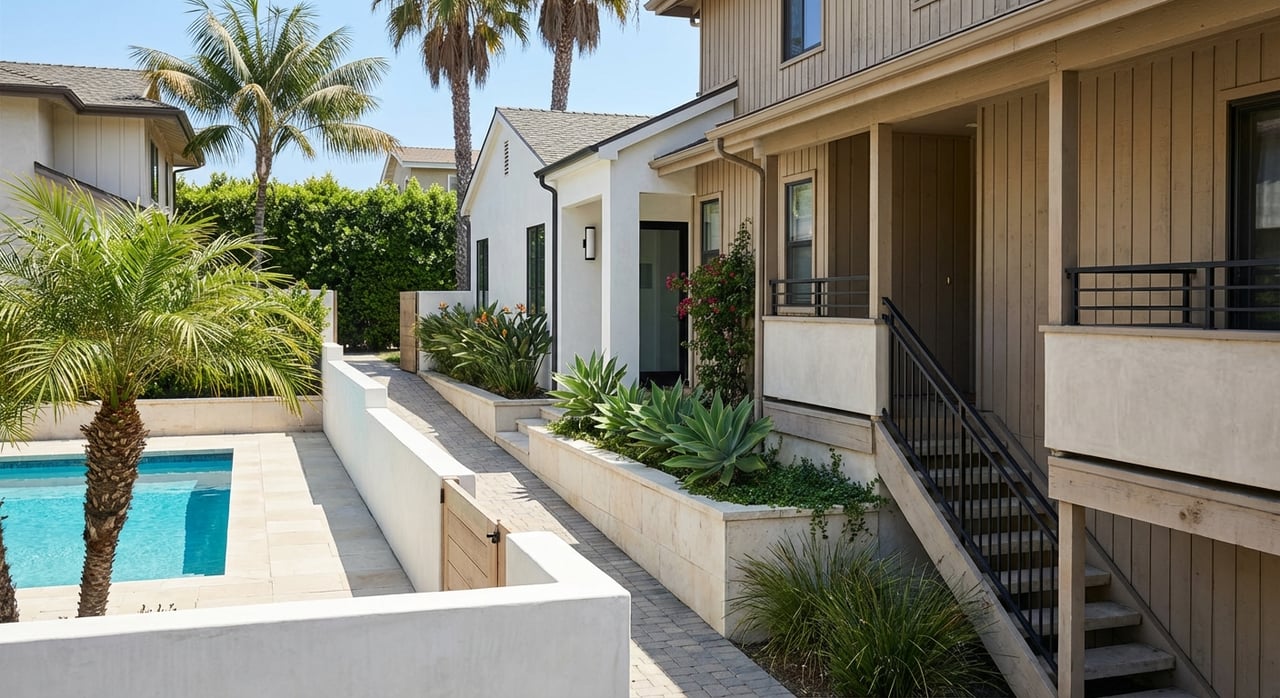
Single-family homes often include larger private yards with more separation from neighbors and space for play areas, gardens, or future projects, subject to local rules. Townhomes usually offer smaller fenced patios or modest yards, with some layouts including balconies or rooftop decks. If daily outdoor living is a priority, a single-family lot may fit you better. If low upkeep is the goal, a townhome’s compact outdoor space can be a plus.
Maintenance control and time
Single-family owners typically handle all exterior care, including roof, paint, siding, fences, and landscaping, which increases time and cost but gives you control over timing and upgrades. Townhome owners often see exterior maintenance covered by the HOA, reducing the personal time burden. The tradeoff is less control over project timing and potential exposure to dues increases or special assessments to fund reserves.
Parking and storage
Single-family homes usually provide more garage space, driveway parking, and the potential for extra storage. Townhomes may have attached or subterranean garages with fewer storage options, plus rules on street or guest parking that affect day-to-day convenience. Make sure the parking setup matches your vehicles, visitors, and storage needs.
Amenity access and neighborhood feel
Townhome clusters are often closer to community centers, pools, and greenways, which can make walking to amenities easy. Single-family streets may feel quieter depending on the subdivision, though distance to parks and shops varies by location. Visit at different times of day to get a real sense of noise, traffic, and access.
Resale and financing factors
Who each home appeals to
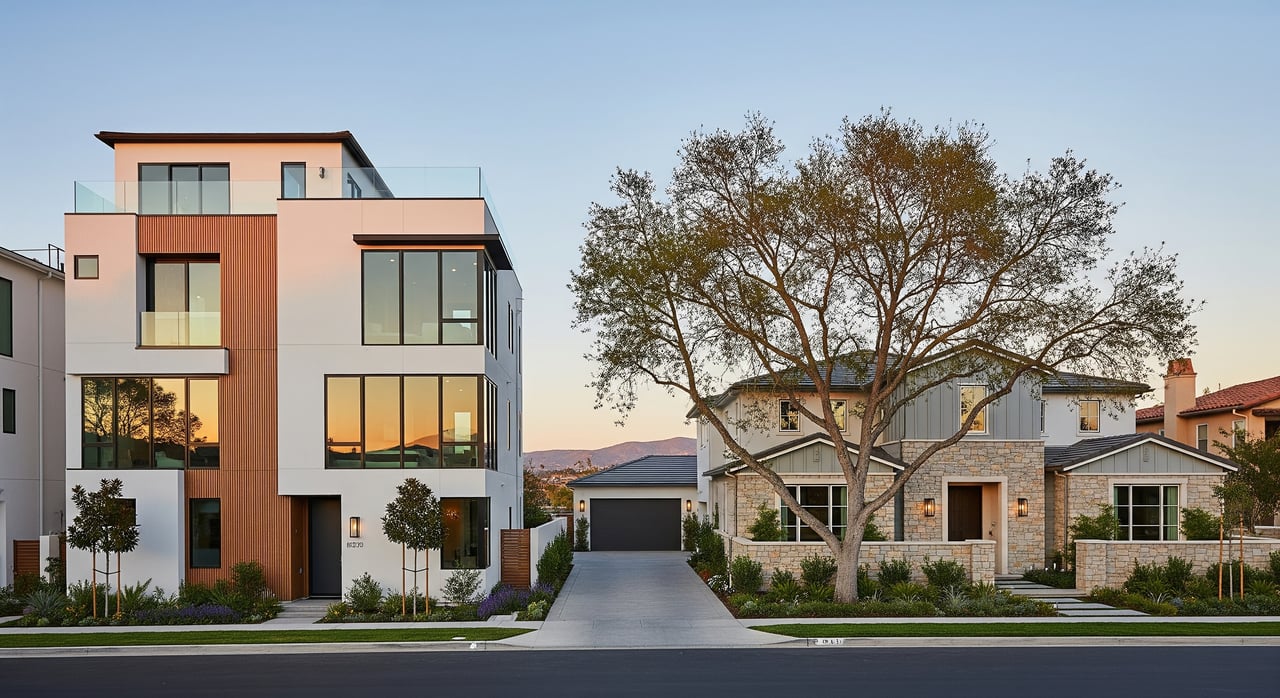
Single-family homes tend to attract buyers who value yard space, storage, and flexible living areas. Townhomes often appeal to first-time buyers, downsizers, busy professionals, and some investors who prefer lower maintenance and a lower entry price. In master-planned communities with strong amenities, both home types can perform well, especially when close to parks and assigned schools.
Financing and appraisal notes
If a townhome is classified as a condominium, lenders may require project approvals that can limit FHA or VA options and affect loan pricing. Appraisers and lenders look closely at HOA financial health and the percentage of rented units. For single-family homes, the potential for projects like accessory dwelling units may add flexibility, but you should always verify zoning and permitting rules before planning improvements.
Quick comparison checklist
Use this list for each 4S Ranch home you tour:
- Purchase price and price per square foot
- Monthly HOA dues and what they include (exterior maintenance, insurance, water, trash, landscaping)
- Property tax rate and whether Mello-Roos applies to the parcel
- Ownership type (condo vs PUD vs fee-simple)
- Insurance requirements and what the master policy covers
- Yard size, privacy, storage, and garage capacity
- Proximity to parks, community amenities, and assigned schools
- HOA reserves, recent minutes, litigation, and special assessment history
- Rental restrictions if you care about flexibility or investment potential
Questions to ask the HOA or seller
- Who insures the building exterior and what does the master policy cover?
- Are any capital projects or special assessments planned?
- What percentage of units are owner-occupied, and are there rental caps?
- What are the parking and guest policies?
- Can I review the latest reserve study, budget, and financials?
How Team Azizi helps you decide
Buying in 4S Ranch is about more than getting the right number of bedrooms. You want a clear, side-by-side view of total cost, HOA obligations, and lifestyle tradeoffs so you can choose confidently. Our team helps you model monthly and annual costs, review HOA documents, confirm property-specific taxes like Mello-Roos, and navigate financing requirements for condos, PUDs, and single-family homes. When you are ready to move, we negotiate hard, manage the details, and keep you focused on the home that fits your goals.
If you’re weighing a townhome versus a single-family home in 4S Ranch, let’s talk through your options and run the numbers together. Connect with Team Azizi to get started.
FAQs
What should I budget beyond the mortgage in 4S Ranch?
- Include property tax, any parcel-specific Mello-Roos, HOA dues, homeowners insurance, a maintenance reserve, and utilities like water and trash.
How do Mello-Roos taxes affect my monthly cost in 4S Ranch?
- Mello-Roos are special taxes added to the property tax bill in some newer communities and can materially increase your monthly carry cost, so verify the amount for the exact parcel.
Is a 4S Ranch townhome a condo or a PUD, and why does it matter?
- The classification affects financing, insurance, and maintenance responsibilities; confirm whether you own just the interior (condo) or the lot (PUD/fee-simple) before making an offer.
What insurance policy type do I need for a townhome versus a single-family home?
- Single-family owners typically carry an HO-3 policy covering the structure and yard, while many attached owners use HO-6 or hybrid coverage paired with the HOA’s master policy details.
Are townhomes harder to finance than single-family homes in 4S Ranch?
- Some townhomes classified as condos may require project approvals that limit FHA or VA options and can affect loan terms, while PUDs and single-family homes are generally more straightforward.